Sweat, Guilt, and a 47-Day Streak: The Wellness App That Owns You Now
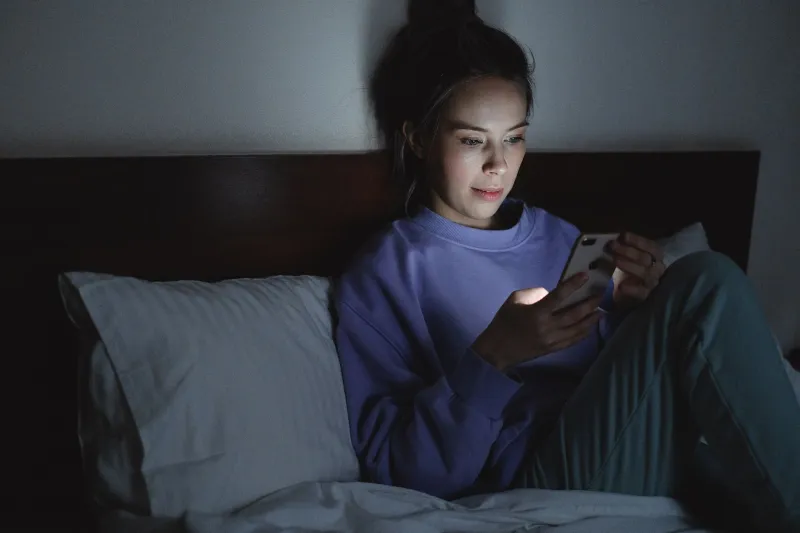
Somewhere in America right now, a person is doing jumping jacks at 11:47 PM not because they want to, not because their body asked for it, but because a small cartoon owl on their phone will look deeply disappointed if they don't. This is peak human achievement. This is where civilization landed.
Welcome to the dopamine casino, where the house always wins and the chips are your self-esteem.
The Gamification of Your Own Body
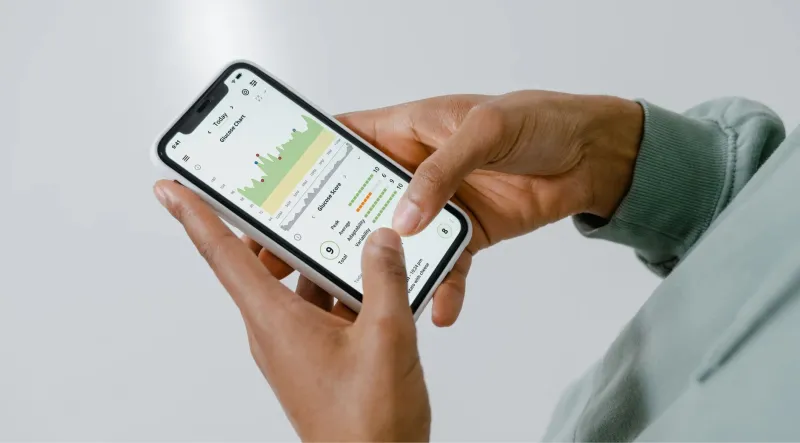
Fitness apps didn't invent exercise. They invented something far more lucrative: the anxiety of not exercising. Duolingo figured this out first with language learning and the rest of the wellness industry took notes so aggressively the paper caught fire. Streaks, badges, leaderboards, progress rings — these aren't features designed to help you. They're slot machine mechanics wearing athleisure.
The psychology here isn't subtle. Variable reward schedules — the same principle that makes gambling neurologically irresistible — are baked directly into how these platforms deliver feedback. Hit your step goal and your phone buzzes with confetti. Miss it and you get a notification that reads like a passive-aggressive text from a disappointed parent. The app doesn't want you to get healthy. It wants you to come back tomorrow. And the day after. Forever. Healthy people who hit their goals and feel satisfied don't need a subscription. Perpetually almost-there people do.
Peloton, Apple Fitness+, MyFitnessPal, Noom, Strava — pick your poison. Each one has constructed an elaborate behavioral architecture specifically engineered to make logging off feel like personal failure. You're not using these apps. You're being used by them.
The Premium Subscription to Being Guilt-Tripped
Here's the part that should make you laugh until it hurts: people are paying anywhere from $12 to $45 a month for the privilege of feeling bad about themselves on a schedule. Noom, to its credit, achieved the spectacular feat of charging people $60 a month to receive diet advice wrapped in the aesthetic language of therapy. It's a weight loss app that calls itself a "psychology-based program" because it learned that Americans will pay extra if you make shame sound like self-actualization.
The phantom notification is the industry's dark art. You haven't opened the app in three days, so it sends you a push alert that says something like "Your body misses you! 💪" Your body does not miss the app. Your body was doing fine. But now you've opened it, which means the engagement metrics ticked up, which means the quarterly report looks better, which means nobody at the company has to think too hard about whether any of this actually makes people healthier in any lasting way.
Spoiler: the research on long-term outcomes for gamified fitness apps is, let's say, complicated. What the research on engagement loops is not complicated about is that they work extremely well at keeping you engaged. Those are different things. One makes you healthy. The other makes the app money.
Quantify Everything, Feel Nothing
The deeper cultural sickness here isn't the apps themselves — it's what they reveal about us. We have collectively decided that no human experience is legitimate unless it's been measured, logged, optimized, and compared against a baseline. A walk in the woods only counts if your Apple Watch tracked it. Sleep only happened if your Oura Ring confirmed it. You ate lunch, sure, but did you log lunch? Because if MyFitnessPal doesn't know about it, nutritionally speaking, did it even occur?
This is the complete commodification of embodied existence. Your heartbeat is a data point. Your stress level is a metric. Your rest is a recovery score. And somewhere upstream, all of that intimate biological information is being aggregated, anonymized (allegedly), and sold to people who want to sell you more things to optimize the data that comes from selling you things.
The self-improvement industrial complex needed a delivery mechanism and the smartphone was right there, warm and glowing, ready to become the most personal surveillance device ever invented and somehow make you feel good about carrying it everywhere.
The Streak Is the Product
Let's talk about the streak specifically, because it is a masterpiece of psychological engineering. Once you've maintained a streak for more than about two weeks, breaking it stops feeling like missing a workout and starts feeling like self-betrayal. The streak becomes an identity. "I'm someone who hasn't missed a day in 63 days" is a personality now. And the app knows — the app absolutely knows — that you will contort your entire schedule, sacrifice sleep, do a sad three-minute "workout" at midnight in your hotel bathroom, just to keep that number climbing.
Duolingo sells streak freezes. Literal insurance against the psychological damage of breaking a streak they created. The audacity is genuinely breathtaking. They manufacture the dependency and then charge you to protect yourself from it. That's not a wellness feature. That's a protection racket with better UX.
What Getting Off the Machine Actually Looks Like
None of this is to say that exercise isn't good or that technology can't help people build habits. Some people genuinely benefit from structure and external accountability. But there's a meaningful difference between a tool that serves you and a system that has inverted that relationship so completely you can't see the ceiling anymore.
The counterculture move — the genuinely radical act in 2024 — might just be going for a run without tracking it. Lifting weights without logging them. Sleeping without a ring on your finger reporting your REM cycles to a server farm in Virginia. Letting your body exist as a body rather than a dashboard.
Your 47-day streak is not a measure of your discipline. It's a measure of how effectively an app has colonized your sense of self-worth. The cartoon owl is not your friend. It's a retention mechanic.
Delete it. Go outside. Don't tell the app.